
As technology continues to advance, businesses are faced with the decision of whether to utilize cloud servers or physical servers to support their IT infrastructure.
Both options have their own set of benefits and drawbacks, making it essential for organizations to carefully weigh their options before making a decision.
Of course cloud servers, also known as virtual servers, are hosted and managed by a third-party service provider.
They offer scalability, flexibility, and cost-effectiveness, as businesses only pay for the resources they use. Additionally, cloud servers provide remote access, allowing employees to work from anywhere with an internet connection.
On the other hand, physical servers are tangible hardware devices that are located on-site within a company’s premises. They offer greater control and security, as data is stored locally and not shared with other organizations.
However, physical servers can be costly to maintain and upgrade, as well as require physical space and resources. In this article, we will explore the differences between cloud servers and physical servers, as well as the factors that businesses should consider when choosing between the two options.
 Cloud Server vs Physical Server:
When it comes to choosing between a cloud server and a physical server, there are a few key factors to consider.
- One major advantage of a physical server is that you have complete control over it.
- You can physically touch, see, and manage the hardware, making it easier to troubleshoot and customize to your exact specifications.
- On the other hand, cloud servers offer scalability and flexibility. With a cloud server, you can easily adjust resources like storage and computing power based on your current needs.
- Obviously, this can be a huge benefit for businesses that experience fluctuating demand or rapid growth.
- Ultimately, the decision between a cloud server and a physical server will depend on your specific requirements and preferences.

Cloud: Flexible, Scalable, Cost-effective, Secure.
In fact, cloud services provide numerous advantages over traditional physical servers. One of the standout benefits of cloud computing is its flexibility.
Of course, with cloud technology, you can quickly and easily adjust resources to suit your needs, whether that means increasing storage capacity or ramping up computing power.
That is to say, this level of adaptability ensures that your infrastructure can seamlessly grow alongside your business without the need for significant upfront investments in new hardware.
Moreover, cloud services are highly scalable, allowing you to scale up or down based on demand. This scalability is particularly advantageous for businesses with fluctuating needs or seasonal variations in traffic.
By only paying for the resources you use, you can ensure cost-effectiveness and minimize wasted capacity.
Additionally, cloud platforms can offer robust security features, including data encryption, regular backups, and advanced access controls, helping to safeguard your valuable information and ensure compliance with data protection regulations.
Of course, these combined advantages make cloud technology an attractive option for organizations looking to optimize their IT infrastructure.
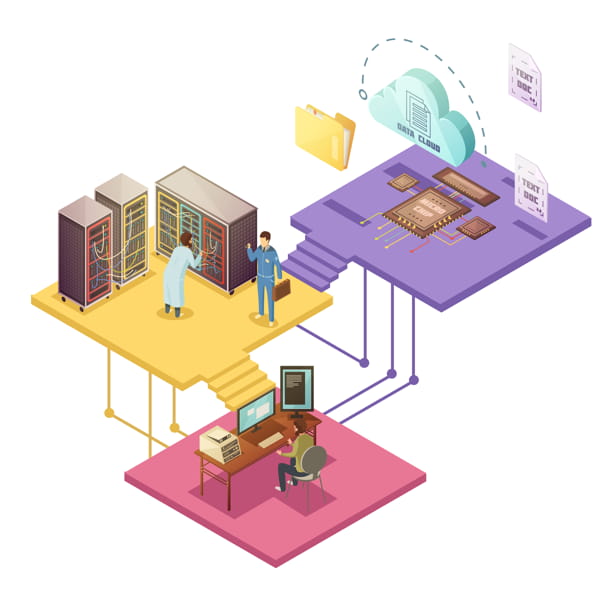
Physical: Tangible, Control, High initial Investment, Maintenance.
When considering physical servers, one of the key aspects to take into account is the tangible nature of these systems.
Unlike cloud servers that exist in a virtual space, physical servers are physical pieces of hardware that you can physically touch and control directly. This hands-on approach can provide a sense of security and control for some businesses, knowing exactly where their data is stored and who has access to it.
However, this also means that physical servers require a high initial investment in terms of purchasing the hardware and setting up the infrastructure.
Additionally, maintaining physical servers involves ongoing costs for repairs, upgrades, and ensuring they remain operational, which can add up over time.
Cloud: accessible anywhere, disaster recovery.
First of all, one significant advantage of cloud servers is their accessibility from anywhere with an internet connection.
This means that employees can work remotely without the need for a physical server on-site. It also allows for seamless collaboration among team members located in different places.
Additionally, cloud servers offer robust disaster recovery capabilities. In the event of a natural disaster, power outage, or hardware failure, your data stored on the cloud is secure and can be quickly restored.
Besides, this level of protection ensures business continuity and minimizes downtime, which is crucial for maintaining operations and serving customers efficiently.

Physical: In-house Control, Data Privacy.
When it comes to physical servers, one notable advantage is the in-house control they provide. Having a physical server on-premises gives organizations direct oversight of their data storage and security measures.
This level of control can be particularly beneficial for companies with strict compliance requirements or sensitive information that needs to be closely monitored.
Additionally, physical servers offer enhanced data privacy since data is stored locally, reducing the risk of unauthorized access or breaches.
By managing their own server infrastructure, businesses can tailor security protocols to meet specific needs and ensure that sensitive data remains confidential.
Conclusions of Cloud Servers vs. Physical Servers
- So, when it comes down to the debate of cloud servers vs. physical servers, it’s kind of like comparing a convertible to a classic car.
- The cloud server offers flexibility, scalability, and accessibility, making it the sleek, modern option for those on the move.
- Meanwhile, the physical server has that nostalgic appeal, with its tangible presence and control.
- Ultimately, the choice between the two depends on your needs, budget, and preferences.
- Whichever you go for, just make sure it suits your style and gets you where you need to go in the digital highway!
Finally...
If you like this article please share it or whether you want reply your comments, I so pleased to answer your dudes.
if you want to get more information, please visit our blog,
To know about what’s ideal for your company, get in contact with us. Or check our plans for an excellent web hosting service support 24/7/365


0 Comments